November 23, 2026
How Veneers Oxnard CA Can Restore Smile Symmetry
By @remingtonigtm375
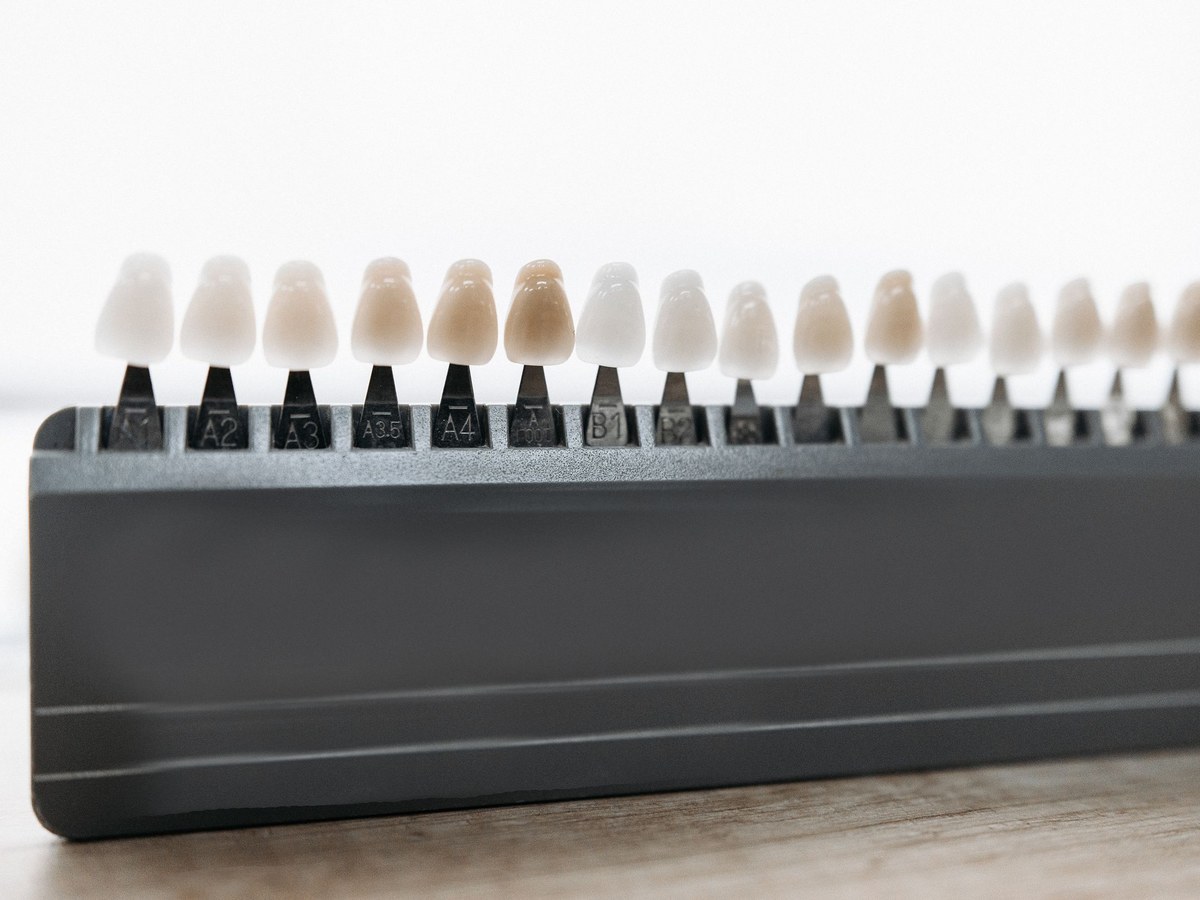
Smile symmetry is one of those details people notice without always realizing why. A balanced smile tends to look calm, healthy, and harmonious with the rest of the face. When one front tooth appears shorter than the other, when a lateral incisor sits slightly inward, or when old bonding has yellowed on one side, the eye catches the imbalance right away. Patients often describe it in simple terms: “Something looks off.” They may not be able to name the exact issue, but they feel it every time they see a photo.
That is where veneers can be especially useful. When planned carefully, they do more than brighten teeth. They can reshape width, length, contour, and visible alignment in a way that restores proportion across the smile. For people considering Veneers Oxnard CA, the real benefit is often not perfection. It is balance. A smile that no longer pulls attention toward one uneven edge or one mismatched tooth can look dramatically more natural, even when the actual changes are quite small.
Why symmetry matters more than flawless teeth
Very few natural smiles are perfectly symmetrical. In fact, a smile with tiny variations often looks more believable than one that appears too uniform. The goal of cosmetic dentistry is not to erase every difference. It is to reduce the differences that make the smile look distracted or unintentionally uneven.
In practice, symmetry affects how several features work together. The front teeth should generally mirror one another in broad shape and length. The teeth next to them should support that pattern without overpowering it. The gumline should frame the teeth evenly enough that one side does not look lifted or heavy. Even the way light reflects from the enamel matters. If one central incisor is flatter and more opaque while the other has more surface texture and brightness, the mismatch can stand out more than a small chip.
This is why many patients who ask for whitening alone are surprised during a cosmetic consultation. Whitening can improve color, but it does not fix shape asymmetry, uneven wear, old patchwork dental work, or minor rotations. Veneers can address those issues together, which is why they are often chosen when symmetry is the real concern.
What veneers actually correct
A veneer is a thin custom shell, usually made of porcelain, bonded to the front surface of a tooth. People tend to think of veneers as a purely cosmetic shortcut, but in skilled hands they are a precise design tool. They can create consistency where nature, wear, trauma, or previous dental work left visible irregularities.
The most common symmetry issues veneers can improve include chipped edges, short teeth from grinding, narrow teeth that leave dark spaces near the corners of the smile, mild crookedness, worn enamel, and stains that do not respond evenly to whitening. They are also useful when one tooth has had bonding or a root canal and now looks different in color or translucency than the matching tooth on the opposite side.
A good example is the patient with one central incisor that fractured years ago. It was repaired with composite bonding, but over time the bonded edge picked up stain and lost its polish. The other central incisor stayed bright and naturally reflective. The difference was obvious in photos, especially under restaurant lighting or flash. A pair of well-matched porcelain veneers can restore visual balance far better than repeated spot repairs.
Another frequent situation involves small lateral incisors. Some adults naturally have laterals that are undersized or tapered. This can make the canines look too prominent and break the flow of the smile. Veneers can broaden those smaller teeth just enough to create smoother progression from the center teeth outward.
The relationship between symmetry and facial features
A smile never exists on its own. It sits within the larger frame of the lips, cheeks, jawline, and face. That matters because a symmetrical dental plan should complement the person’s features rather than impose a generic shape.
For example, a patient with a broader face and fuller lips may carry slightly fuller tooth shapes beautifully. A person with a narrower facial structure may look better with softer, slightly more tapered contours. Men and women often request different aesthetics as well, though this always comes down to individual preference more than fixed rules. Some want bold, bright, highly polished smiles. Others want restorations that disappear into the face and read as naturally healthy.
When discussing Veneers Oxnard CA, this point matters in a local, practical sense too. Oxnard patients often want cosmetic results that look polished without looking overdone. In a coastal community with strong natural light and a lifestyle that includes frequent outdoor social settings, ultra-opaque or unnaturally white veneers can stand out for the wrong reasons. Symmetry should make the smile look more coherent, not more artificial.
Small changes can create a large visual shift
One of the most interesting parts of veneer design is how little has to change to alter the whole smile. Lengthening one front tooth by less than a millimeter can make the smile line look smoother. Widening a narrow tooth slightly can close visual gaps and improve proportion. Rounding one incisal corner to match the opposite side can soften an imbalance the patient has noticed for years.
These details are not guesswork. A careful cosmetic dentist studies the smile at rest, in speech, and in full expression. Photos from different angles help reveal things the mirror can hide. The midline, gum levels, edge position, and smile arc all come into play. Sometimes the issue is not a single crooked tooth at all. It is a combination of subtle factors, each minor on its own, that together create asymmetry.
That is why rushed veneer treatment often disappoints. If the planning phase is shallow, the final result can look technically clean but visually wrong. Teeth may be too square, too long, or too flat. The smile may look brighter but less natural. True symmetry comes from proportion, not simply matching every tooth to a standard template.
When veneers are the right choice, and when they are not
Veneers are effective, but they are not the answer to every cosmetic concern. If the asymmetry comes mainly from significant crowding, bite issues, or jaw position, orthodontic treatment may be the better first step. If gum levels are dramatically uneven, soft tissue reshaping may be needed before veneer placement. If a patient clenches heavily and does not manage it, veneers may chip or fail prematurely.
This is where professional judgment matters. A dentist who takes a conservative approach may recommend a mix of treatments rather than veneers alone. In some cases, whitening and edge bonding are enough. In others, Invisalign followed by limited veneers creates a healthier and more stable outcome than masking crowding with porcelain.
The best candidates are usually people with healthy teeth and gums, realistic expectations, and cosmetic concerns centered on visible shape, color consistency, minor alignment discrepancies, or worn edges. They also need to understand that veneers require maintenance and long-term care. They are durable, but they are not indestructible.
The planning stage is where symmetry is built
Patients often focus on the day veneers are bonded in place, but the most important work happens earlier. This is the stage where the dentist studies the existing smile and maps the changes that will improve balance without sacrificing personality.
A thoughtful evaluation often includes:
- high-quality photos of the smile at rest and while speaking or laughing
- a review of bite forces, grinding habits, and tooth wear patterns
- shade analysis in natural and clinical lighting
- models or digital scans to assess spacing, contour, and arch form
- a mock-up or preview so the patient can react before the final veneers are made
That preview step is especially valuable. A patient may discover that the proposed teeth look too long, too bright, or too uniform. It is far easier to adjust the design before the ceramic is fabricated than after the veneers are bonded. In my experience, many of the happiest veneer patients are not the ones who asked for the most dramatic change. They are the ones who spent time refining small details during the planning process.
Matching gumlines and tooth proportions
People often assume symmetry is all about the teeth themselves, but gums can make or break the result. A veneer can beautifully match shape and color, yet still look uneven if the gumline sits higher on one side. The eye reads tooth and gum together.
Minor gum discrepancies may be acceptable, especially if they are barely visible when the patient smiles. Others need correction. A small amount of gum contouring can create a much cleaner frame for the veneers and improve overall balance more than enlarging the restorations would. The principle is simple: if the frame is crooked, changing the picture inside it only goes so far.
Tooth proportions matter just as much. The two central incisors usually anchor the smile. If they differ too much in width, length, or edge shape, the whole smile can feel unstable. The lateral incisors and canines then support the design. The dentist and ceramist work together to create progression, not repetition. Natural smiles typically show a subtle hierarchy. The center teeth lead, the laterals soften the transition, and the canines provide strength.
When this relationship is handled well, the smile looks balanced from across the room and convincing up close.
Material choice affects natural symmetry
Porcelain is often preferred for veneers because it reflects light in a way that resembles enamel better than many direct materials. It also resists staining more effectively than composite bonding. That matters for symmetry because color mismatch is one of the fastest ways a restoration becomes noticeable.
Still, not all porcelain veneers are designed the same way. Thickness, translucency, surface texture, and edge characterization all influence how symmetrical the final result appears. Two veneers can be the same shade on paper and still look different in the mouth if one is more opaque or polished differently.
This is where lab communication becomes critical. A skilled ceramist does not simply fabricate white shells. They study photos, work from detailed notes, and often layer subtle effects so the restorations mimic natural depth. For a patient replacing an old restoration on one side and improving a naturally worn tooth on the other, this craftsmanship is not a luxury. It is the difference between a smile that blends and one that announces itself.
A practical look at the process
For anyone considering Veneers Oxnard CA, it helps to understand the sequence without romanticizing it. Veneers can produce beautiful results, but they are still dental treatment. There are appointments, decisions, and temporary phases that require patience.
A typical process often follows these stages:
- Consultation and evaluation, where the dentist reviews goals, oral health, photos, and whether veneers are truly appropriate.
- Design and preparation, which may include trial mock-ups and a small amount of enamel shaping if needed.
- Temporary restorations, used while the final veneers are fabricated, giving the patient a chance to test the look and feel.
- Final placement, where fit, bite, contour, and shade are checked carefully before bonding.
- Follow-up and maintenance, including polishing, bite adjustment if necessary, and guidance for protecting the veneers long term.
Not every case requires aggressive tooth reduction. Modern veneer planning often aims to preserve as much enamel as possible. That said, the idea that veneers always involve no drilling is not realistic. Some situations allow minimal preparation, while others need more contouring to avoid bulky or unnatural results. The honest answer depends on the starting anatomy.
The trade-offs patients should understand
The cosmetic dentistry market sometimes presents veneers as an easy confidence upgrade. The reality is more nuanced. Veneers can transform smile symmetry impressively, but every treatment involves trade-offs.
Porcelain veneers are durable, often lasting well over a decade with proper care, but they do not last forever. They may eventually need replacement. They are also an investment, especially when multiple front teeth are involved. Repair options depend on the nature of any damage. Small chips can sometimes be polished or bonded. Larger fractures may require remake.
Sensitivity is usually temporary after preparation, but it can occur. Patients who grind their teeth at night may need a custom guard. Very bright shades can look striking at first and less appealing over time as personal style changes. And if surrounding natural teeth darken or restorations elsewhere age differently, maintaining harmony across the smile may require future updates.
These are not reasons to avoid veneers. They are reasons to choose them for the right reasons, with clear expectations.
What makes results look believable
Believable veneers rarely call attention to themselves. Instead, people say the patient looks refreshed, healthier, or more confident. That reaction usually comes from restraint and customization.
Several factors help:
- edges that are not all cut to the same exact length
- contours that fit the patient’s face and lip movement
- color that is bright enough to look healthy, but not flat or chalky
- surface texture that reflects light like natural enamel
- bite adjustment that prevents one veneer from taking too much force
This is where experienced cosmetic work separates itself from generic smile makeovers. A smile can be symmetrical without being sterile. Tiny variations in edge anatomy, translucency, and contour often make the result more lifelike, not less.
Cases where less treatment is better
One of the more underrated parts of cosmetic dentistry is knowing when not to place veneers on every visible tooth. Some smiles only need two veneers, or four, or a combination of whitening and conservative bonding. Full veneer cases can be excellent, but they are not automatically superior.
A patient with one twisted lateral incisor and one worn central edge may benefit from short-term orthodontics plus limited restorative work. Another with generally attractive teeth but stubborn discoloration and old repairs on the front four might do well with a small set of veneers rather than an eight- or ten-unit makeover. Over-treatment can erase character and expose patients to unnecessary cost and maintenance.
Good cosmetic dentistry respects what is already working. The point is not to replace healthy enamel simply because veneers are available. It Veneers Oxnard CA is to use them selectively to restore proportion and symmetry where those qualities have been lost.
Questions worth asking before committing
The quality of the conversation before treatment often predicts the quality of the result. Patients should feel comfortable discussing not just price and timeline, but design philosophy. A careful provider will explain why a certain number of veneers is being recommended, what alternatives exist, and what limitations the patient should expect.
Ask to see real examples of similar cases, especially ones involving asymmetry rather than only dramatic whitening. Ask how temporaries are used to test the design. Ask what happens if one veneer looks slightly off at the try-in stage. Ask how the bite will be protected if clenching is part of your history.
For local patients exploring Veneers Oxnard CA, it is reasonable to look for a dentist who balances cosmetic skill with conservative judgment. The ideal provider is not simply someone who offers veneers. It is someone who can explain when veneers are appropriate, when another treatment should come first, and how symmetry will be tailored to your face rather than copied from a catalog smile.
Living with veneers after the smile is restored
Once the veneers are in place, the daily routine is usually straightforward. Brush gently but thoroughly, floss carefully, and keep regular cleanings. Avoid using the front teeth as tools for opening packaging or biting hard objects. If nighttime grinding is an issue, wear the guard. The habits are not dramatic, but they matter.
What patients notice most, though, is often social rather than mechanical. They smile more freely. They stop angling their face away from cameras. They no longer focus on that one uneven tooth every time they speak. Those changes can sound minor from the outside, yet they are often the real reason treatment feels worthwhile.
Smile symmetry is not vanity in the shallow sense people sometimes assume. It is about visual coherence. When the teeth, gums, lips, and facial features work together, the smile stops looking like a collection of separate problems and starts looking like part of the person again. Veneers can play a powerful role in that shift, especially when the goal is not to create a different face, but to restore balance to the one already there.
Oxnard Dentistry
1730 E Gonzales Rd, Oxnard, CA 93036, United States
+1 805-307-8731
FAQ About Veneers Oxnard CA
How long do porcelain veneers last?
Porcelain veneers can last for many years, but they can chip, loosen, or wear over time. Their lifespan depends on factors such as your bite, whether you grind your teeth, and daily care. Regular dental visits let your dentist check their condition.
Are dental veneers permanent?
Traditional veneers often require removing a small amount of enamel, so that change to the tooth is generally irreversible. Veneers can still need repair or replacement. Ask your dentist how much preparation your teeth would require.
How much do veneers cost in Oxnard?
Cost depends on the material, how many teeth you want treated, and whether you need other dental work first. Ask for a written estimate that explains the price per tooth and what is included.
❧